Neospins Public WiFi Safety: Protect Yourself Online
In our digital age, the convenience of public WiFi can hardly be overstated. However, the risks associated with using these networks can be daunting. Understanding how to protect yourself online while using public WiFi, especially in places like cafes, libraries, and airports, is imperative. This article explores key safety tips for using public WiFi and emphasizes the role of Neospins Public WiFi Safety neospins.co.nz in enhancing your online safety.
Understanding Public WiFi Risks
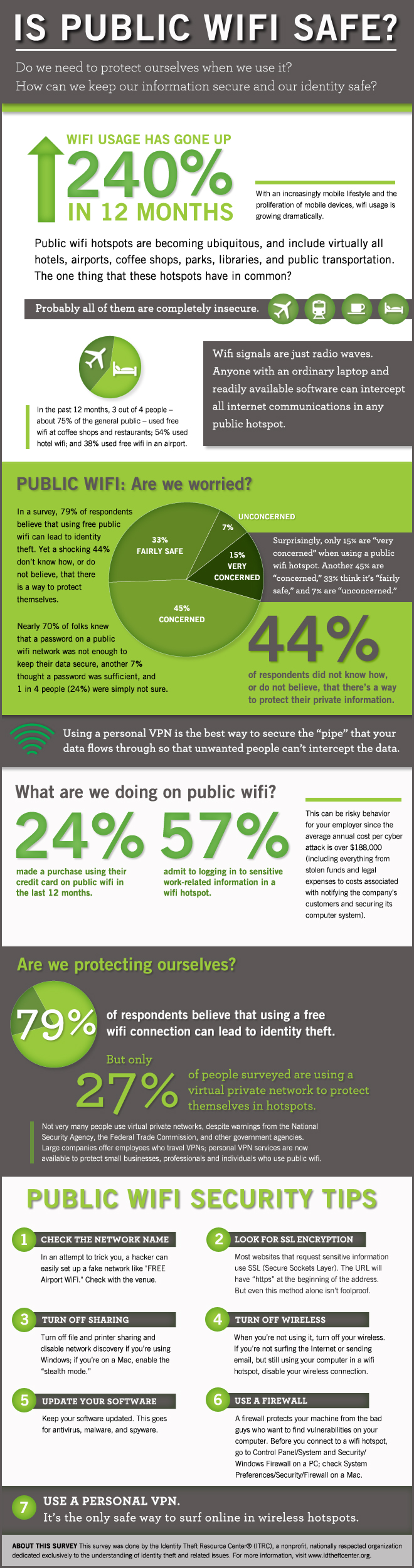
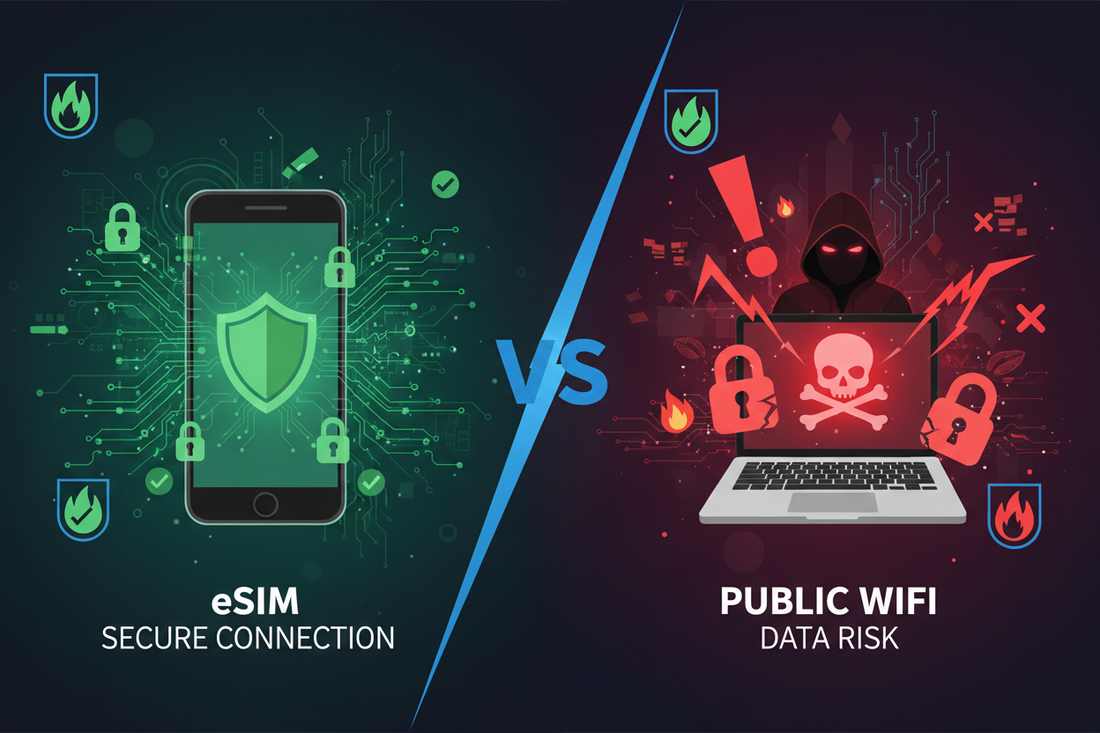
Public WiFi networks are typically unsecured, making it relatively easy for cybercriminals to intercept data transmitted over these connections. When you connect to an unsecured network, your personal information can be exposed, including passwords, emails, and other sensitive data. The primary risks associated with public WiFi include:
- Data Interception: Hackers can easily intercept the data being transmitted, leading to potential identity theft.
- Man-in-the-Middle Attacks: A hacker can position themselves between you and the connections you are trying to make, capturing and altering your communications.
- Malware Distribution: Public networks can be used to spread malware, allowing hackers to gain control of your devices.
How to Stay Safe While Using Public WiFi
While the risks are significant, there are several steps you can take to protect yourself when connecting to public WiFi:
1. Use a VPN
A Virtual Private Network (VPN) encrypts your internet connection, making it much harder for hackers to access your data. By using a VPN, you create a secure tunnel between your device and the internet, ensuring your sensitive information is safeguarded.
2. Avoid Accessing Sensitive Information
Limit your online activities while connected to public WiFi. Avoid logging into bank accounts or entering sensitive personal information, such as social security numbers or credit card details.
3. Use HTTPS Websites
When browsing, ensure that the websites you visit use HTTPS, rather than HTTP. The “S” indicates that the connection is secure. Look for a padlock symbol in the address bar of your browser.
4. Forget the Network When Done
After using public WiFi, make sure to forget the network so that your device does not automatically reconnect in the future without your knowledge.
5. Keep Your Devices Updated
Regularly updating your device’s operating system and applications ensures you have the latest security patches, reducing vulnerabilities that hackers can exploit.
Role of Neospins in Enhancing Online Safety
Neospins is dedicated to enhancing user safety and providing solutions to keep you protected while online. With features designed to facilitate secure browsing, Neospins prioritizes your online experience. They offer reliable resources and services that allow users to engage with online platforms confidently.
Conclusion
In conclusion, while public WiFi provides ease of connectivity and convenience, it inevitably comes with risks regarding your online safety. By following the strategies outlined above, you can significantly decrease your chances of becoming a victim of cybercrime. Make use of reliable solutions such as those offered by Neospins to further secure your online interactions. Stay informed, stay secure, and navigate the digital world with confidence!