
Understanding the Odds
One of the most pervasive myths about casino gambling is the belief that players can influence the outcome through strategies or tricks. Many individuals think that by employing specific techniques or betting patterns, they can tilt the odds in their favor. However, the reality is that games like slots, roulette, and blackjack are designed with mathematical probabilities, and some may even argue that finding the best online pokies is more about luck than skill. The odds are set to favor the house, meaning that over time, the casino will always win. While skill can play a role in certain games, particularly card games, it’s crucial to recognize that luck ultimately governs the outcome.
Moreover, the misconception extends to the idea that there are foolproof systems that guarantee winnings, such as the Martingale strategy, which involves doubling bets after losses. While this may seem logical in theory, it can lead to significant financial loss, as bankrolls can quickly dwindle. Casinos do not advertise their house edge for games, but understanding that the odds are stacked against players should inform their gaming choices. Responsible gambling requires players to accept that loss is a natural part of the experience.
Additionally, many gamblers mistakenly believe that they can predict the next outcome based on past results. For instance, a player might think that if red has come up five times in a row on the roulette wheel, black is more likely on the next spin. This is known as the gambler’s fallacy; past events do not influence future outcomes in games of chance. Players should engage in gambling for entertainment while maintaining realistic expectations about winning and losing.
The Illusion of Control
The idea that gambling can be controlled is another prevalent myth. Some gamblers feel they can influence game outcomes by using rituals or superstitions, believing that certain actions can bring them luck. This notion is popular among slot machine players, who might tap or stroke the machine in hopes of improving their chances. However, such beliefs divert attention from the fact that modern slot machines operate on random number generators, making outcomes entirely random and unpredictable.
On top of that, this illusion of control can lead to compulsive behavior, as players may believe they can chase losses or recover money through sheer willpower. This mentality can result in financial strain and emotional distress. It’s essential for gamblers to understand that the best approach is to treat gaming activities as entertainment and not as a pathway to financial recovery. Recognizing the limits of personal influence is vital in maintaining a healthy perspective on gambling.

Furthermore, the allure of control extends beyond individual casino games. Many players think they can manage their gambling budget using strict limits and rules. While setting personal limits is a critical part of responsible gambling, it does not guarantee a win. The unpredictability of games means that losses can and will occur, regardless of how well one adheres to their rules. A deeper understanding of this myth can empower players to engage with gambling more sensibly and sustainably.
The Myth of “Hot” and “Cold” Streaks
Another common myth in the realm of casinos is the belief in “hot” and “cold” machines or tables. Players often think that a particular slot machine has been paying out frequently and is therefore more inclined to continue doing so, or conversely, that a cold machine hasn’t paid out in a while and is due for a win. This notion can lead players to preferentially choose certain games over others based on the perceived patterns in payouts. However, this is a misinterpretation of how these machines function.
Slot machines are programmed to provide random outcomes on each spin, meaning that previous results do not affect future results. The idea of hot and cold streaks is merely a psychological phenomenon where players seek patterns in randomness. This belief can lead to poor gambling decisions, as players may chase after perceived hot streaks, losing track of their betting strategy. Understanding this myth can help players make more rational choices when selecting games and managing their bankrolls.
Additionally, this myth is prevalent in table games as well, where players may believe that a dealer is “on fire” and hitting winning combinations. While players may perform well in a given session, it is essential to recognize that each hand or spin is independent of the others. Misinterpreting these outcomes can lead to overconfidence, potentially resulting in significant losses. By debunking this myth, players can focus on their strategies rather than falling prey to moments of perceived luck.
The Social Stigma Around Gambling
Gambling carries a social stigma that can contribute to misunderstandings about its nature and activities. Many people view gambling solely as a vice, leading to judgments about those who participate in it. This stigma can prevent individuals from seeking help or discussing their gambling habits openly, even when they may be experiencing problems. In reality, gambling is a form of entertainment that can be enjoyed responsibly, much like other pastimes.
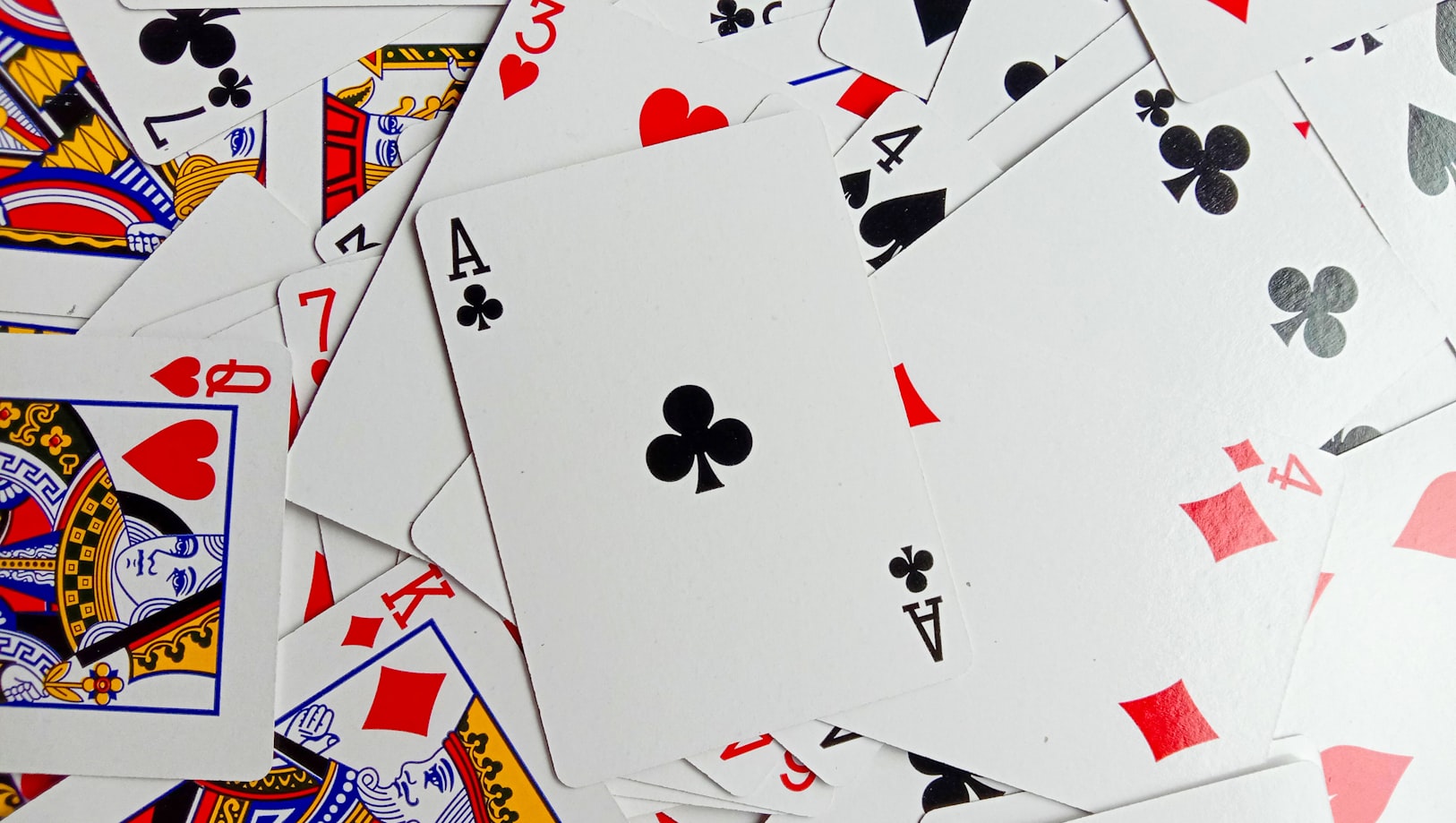
By addressing this stigma, society can foster healthier conversations about gambling and its potential effects. Education about responsible gambling practices can help dispel the notion that all gamblers are problematic. Many people gamble recreationally without issues. Highlighting positive stories and responsible approaches can encourage a more balanced view of gambling within communities, reducing feelings of shame and isolation for those who enjoy it.
Furthermore, recognizing that gambling addiction is a serious issue rather than a moral failing is crucial. Accessing proper resources, support systems, and education is vital for those who may be struggling. Creating an open dialogue about gambling can empower individuals to acknowledge their behaviors and seek assistance without fear of judgment. By breaking down these barriers, society can cultivate a healthier relationship with gambling.
Empirical Understanding of Gambling on Online Platforms
As the digital landscape continues to evolve, the perception of online gambling is rife with myths and misconceptions. Many believe that online casinos are less secure than traditional brick-and-mortar establishments. However, reputable online platforms utilize advanced encryption technology and strict regulations to ensure player safety and fairness. Acknowledging the legitimacy of licensed online casinos is essential for players seeking a secure gaming experience.
Moreover, there is a myth that online gambling leads to more significant losses due to its accessibility. While it’s true that the ease of access can lead to increased gambling, it ultimately comes down to personal responsibility. Just like with traditional gambling, setting limits and recognizing one’s boundaries is crucial. Players must remain mindful of their habits and approach online gambling as a form of entertainment rather than a source of income.
Additionally, the online gambling landscape has become influential in shaping the gaming experience. Many players perceive online games as less social compared to live interactions at physical casinos. In reality, many online platforms offer live dealer games and interactive features that enhance social engagement. This innovation helps bridge the gap between conventional and digital gambling experiences, allowing players to enjoy the best of both worlds while acknowledging the myths surrounding each.